My Portfolio

Games

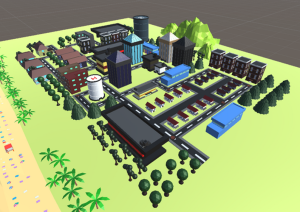
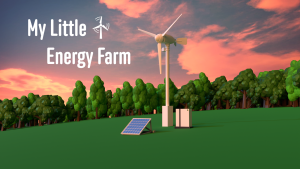
My Little Energy Farm

My Little Energy Farm

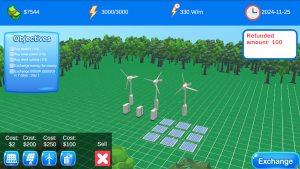
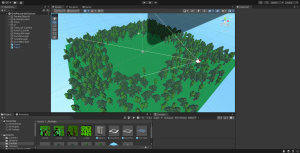
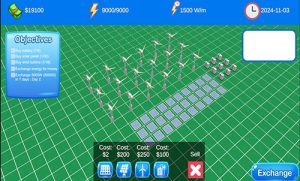
This project explores future trends in sustainable energy through a serious game aimed at promoting awareness of renewable energy solutions. Focused on player experience, the game educates players on building and managing eco-friendly energy farms. Targeted at environmentally conscious players and students, it highlights the role of modern technology in shaping a greener future.

I worked as the sole developer and creator of this game and its assets

Softwares used: Visual Studio, C#, Unity, Blender, Photoshop
Marco Smit | Game Developer


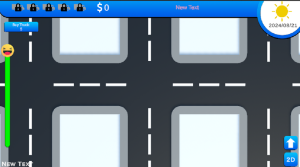
Our City Our Water

Our City Our Water

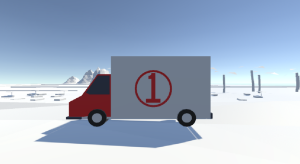
For this project, our group collaborated to address a pressing issue that impacts communities worldwide: the degradation and mismanagement of water systems. Access to clean water is a fundamental need, yet many towns and cities face significant challenges due to pollution, aging infrastructure, and improper waste management.

Can you keep your city’s water system maintained and clean?

The game was created by the following people: Thato Makgabutlane, Marco Smit, Oreratile Ranwashe, Gundo Sikhwivhilu and Xolani Maqungo.

Softwares Used: Blender, Photoshop, C#, Visual Studio


3D Models

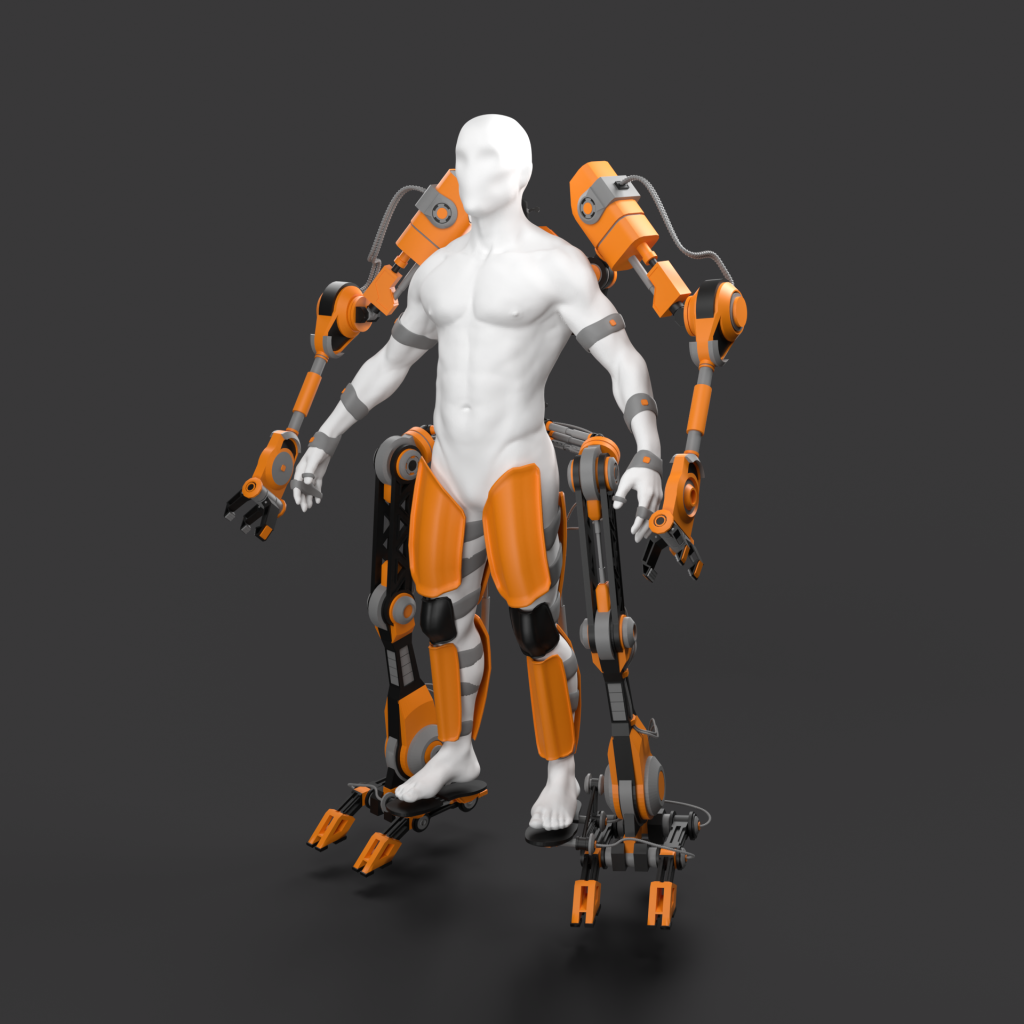
Exo-Skeleton

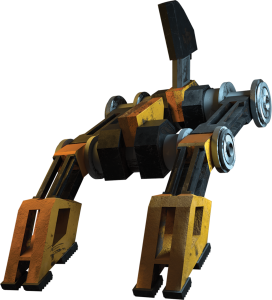
In this project, the objective was to create an exoskeleton inspired by the visual style and functional design of Satisfactory, with a focus on achieving game-ready aesthetics. This endeavor allowed me to explore both the mechanical design and artistic elements, ensuring that the model is both visually compelling and functionally believable.

Key Features:
Artistic Style:
Conducted thorough research into the visual language of Satisfactory, identifying its distinctive mechanical and base-colored design approach.
Recognized that base coloring serves a functional purpose within the game, emphasizing texture differences and component placements, aiding player navigation and interaction.
Applied these principles by carefully designing the exoskeleton to reflect the game’s industrial, utilitarian style while maintaining visual coherence and appeal.

Realism and Functionality:
Utilized Blender, a powerful and versatile open-source 3D modeling tool, to ensure the model matched the high-quality standards of in-game assets found in Satisfactory.
Incorporated real-world mechanical elements, such as pistons, screws, and wires, to enhance the model’s functionality and realism, creating a design that feels both practical and believable.
Focused on achieving a balance between visual complexity and game optimization, ensuring the exoskeleton maintains realism without sacrificing performance.

Coloring:
Analyzed the color palette of Satisfactory, noting that its machines predominantly feature orange, black, and gray hues, with orange being a customizable element for players.
Strategically applied these colors to create visual hierarchy and maintain consistency with the game’s art direction.
Utilized contrast and color placement to highlight different textures and mechanical components, enhancing readability and aesthetic appeal.

Lessons Learned:
3D Design Principles: Developed advanced skills in 3D object design, composition, and spatial placement, ensuring the exoskeleton is both functional and visually engaging.
Colorization: Gained a deeper understanding of color theory, mastering the use of contrast and blending techniques to enhance visual harmony and impact.
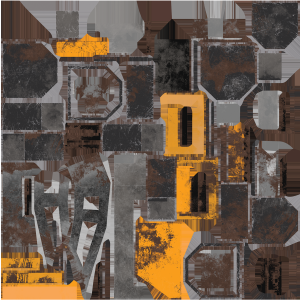
Texel Density Refinement: Learned to efficiently manage texel density across shared UV maps, optimizing texture resolution while minimizing file size and memory usage.
Game Asset Optimization: Enhanced my ability to create high-quality, game-ready assets with balanced polygon count and texture resolution, suitable for real-time rendering.

Outcome:
The final exoskeleton model successfully captured the industrial, mechanical aesthetic inspired by Satisfactory, achieving a high level of detail and realism. This project significantly enhanced my skills in 3D modeling, texturing, color theory, and UV mapping, while also deepening my understanding of how to create visually compelling and performance-optimized assets for interactive media.
This experience has solidified my ability to blend artistic vision with technical execution, positioning me as a versatile 3D artist capable of creating immersive and game-ready models.

Turn Around Video


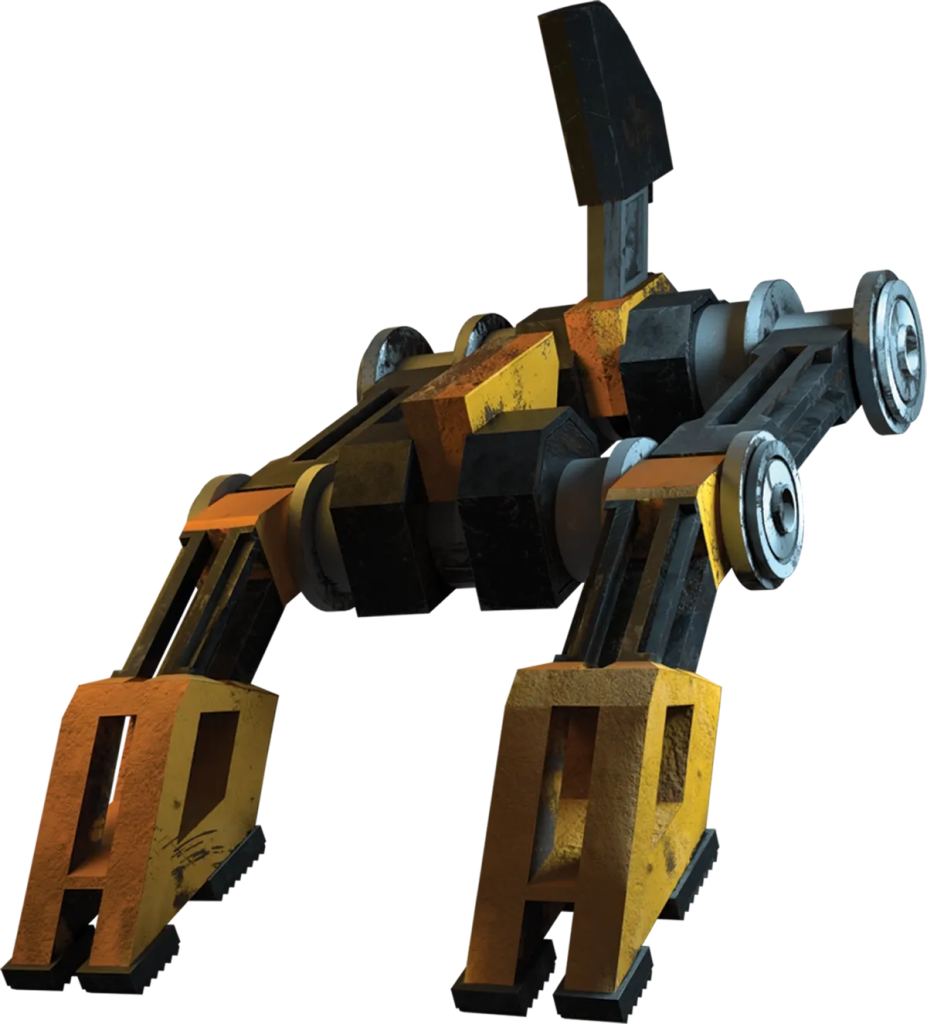
Exo-Skeleton Foot

Key Features:
UV Unwrapping and Texturing:
Utilized advanced UV unwrapping techniques to achieve an efficient and clean UV layout, minimizing texture stretching and optimizing space usage.
Paid careful attention to maintaining consistent texel density across the model, ensuring high-quality texture details regardless of the viewer’s perspective.
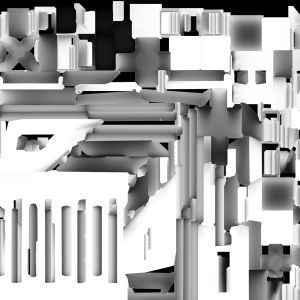
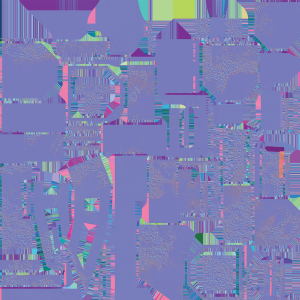
Leveraged Substance Painter to craft realistic textures, utilizing layered procedural materials and hand-painted details to enhance the model’s depth and character.

Shading and Realism:
Created realistic metallic surfaces and detailed wear-and-tear effects to capture the rugged, industrial look inspired by Satisfactory’s art style.
Employed advanced shading techniques to simulate material properties, ensuring that reflections, highlights, and shadows contribute to the model’s authenticity.
Achieved a harmonious contrast between functional mechanical components and the vibrant, game-inspired color palette, enhancing visual appeal while maintaining a cohesive design language.

Realism and Functionality:
The exoskeleton design is informed by real-world technologies, aiming to deliver a visually convincing and functionally plausible mechanical structure.
Material choices were carefully considered to enhance realism, using durable metals for structural elements and rubber-like materials in areas requiring flexibility and grip.
Designed with modularity in mind, allowing for potential integration with other character assets or animation rigs for interactive media applications.

Lessons Learned:
UV Mapping Techniques: Gained proficiency in creating optimized UV layouts that enhance texturing efficiency and reduce distortion.
Texel Density: Developed a deeper understanding of maintaining consistent texel density, ensuring that texture details remain sharp and cohesive across the model.
Substance Painter Workflow: Mastered the use of Substance Painter for creating complex and realistic materials, leveraging both procedural and hand-painted texturing techniques.
Color Theory and Contrast: Learned to apply color theory principles to enhance visual contrast and guide the viewer’s eye across key design elements.

Outcome:
The final exoskeleton model achieved a high level of realism and quality, effectively capturing the futuristic, industrial aesthetic inspired by Satisfactory. This project significantly enhanced my skills in 3D modeling, texturing, UV mapping, and shading workflows, while also deepening my understanding of how to create game-ready assets that are visually compelling and functionally plausible.
The project stands as a testament to my ability to blend artistic vision with technical execution, showcasing my proficiency in crafting detailed and immersive 3D models for use in interactive media or animation.

Exo-Skeleton Foot Maps

Contact