Exo-Skeleton
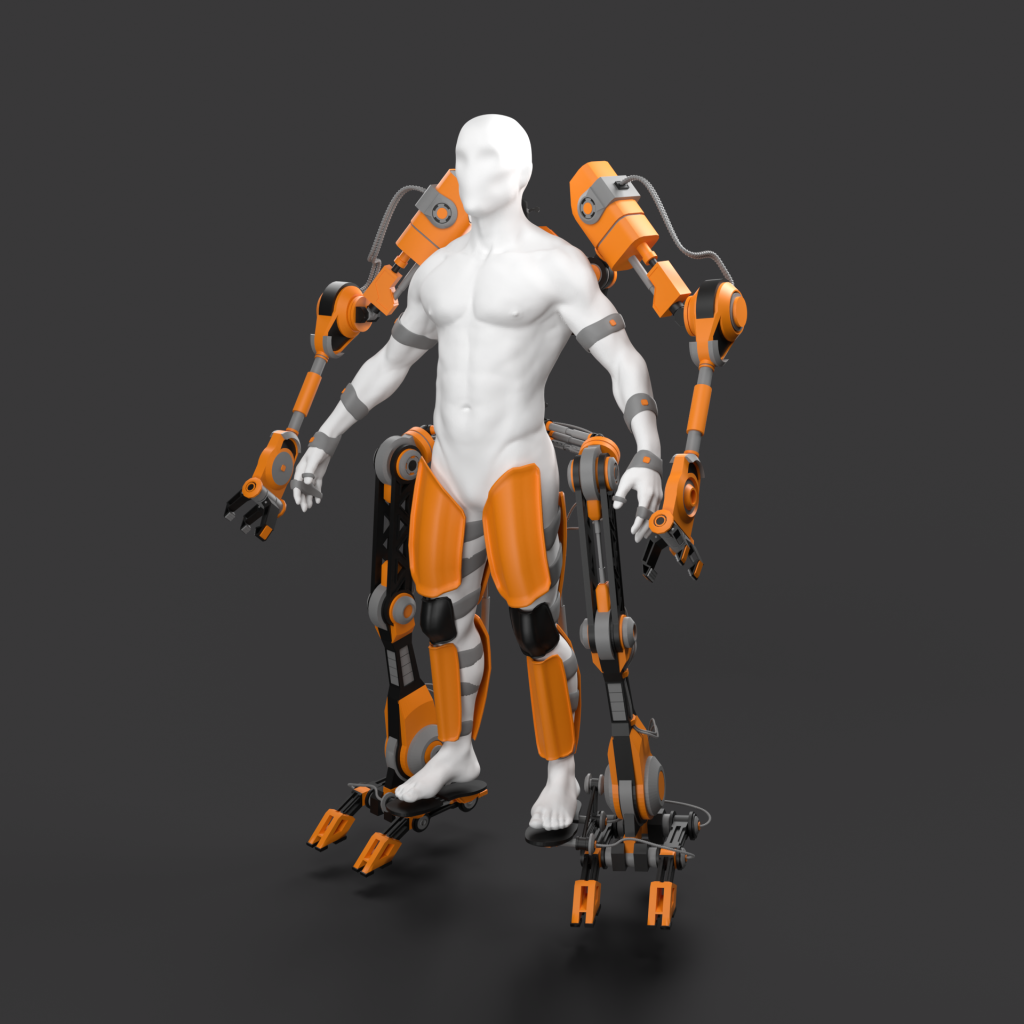
In this project, the objective was to create an exoskeleton inspired by the visual style and functional design of Satisfactory, with a focus on achieving game-ready aesthetics. This endeavor allowed me to explore both the mechanical design and artistic elements, ensuring that the model is both visually compelling and functionally believable.
Key Features:
Artistic Style:
Conducted thorough research into the visual language of Satisfactory, identifying its distinctive mechanical and base-colored design approach.
Recognized that base coloring serves a functional purpose within the game, emphasizing texture differences and component placements, aiding player navigation and interaction.
Applied these principles by carefully designing the exoskeleton to reflect the game’s industrial, utilitarian style while maintaining visual coherence and appeal.
Realism and Functionality:
Utilized Blender, a powerful and versatile open-source 3D modeling tool, to ensure the model matched the high-quality standards of in-game assets found in Satisfactory.
Incorporated real-world mechanical elements, such as pistons, screws, and wires, to enhance the model’s functionality and realism, creating a design that feels both practical and believable.
Focused on achieving a balance between visual complexity and game optimization, ensuring the exoskeleton maintains realism without sacrificing performance.
Coloring:
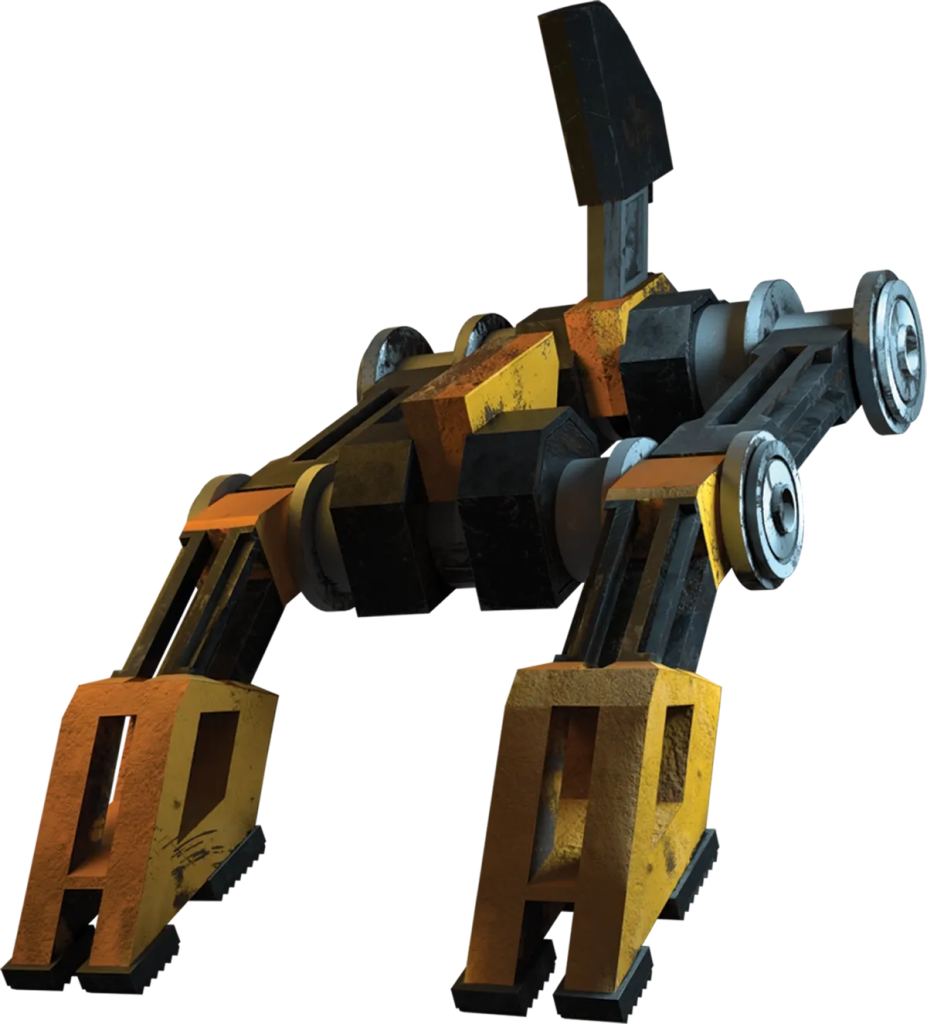
Analyzed the color palette of Satisfactory, noting that its machines predominantly feature orange, black, and gray hues, with orange being a customizable element for players.
Strategically applied these colors to create visual hierarchy and maintain consistency with the game’s art direction.
Utilized contrast and color placement to highlight different textures and mechanical components, enhancing readability and aesthetic appeal.
Lessons Learned:
3D Design Principles: Developed advanced skills in 3D object design, composition, and spatial placement, ensuring the exoskeleton is both functional and visually engaging.
Colorization: Gained a deeper understanding of color theory, mastering the use of contrast and blending techniques to enhance visual harmony and impact.
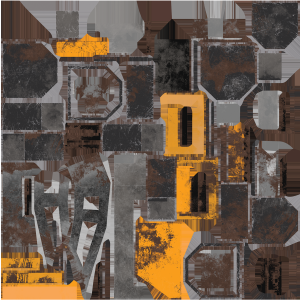
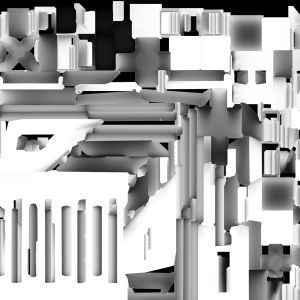
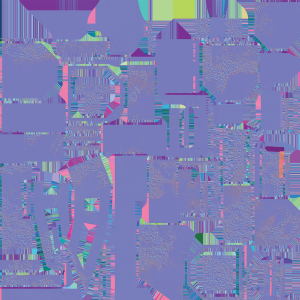
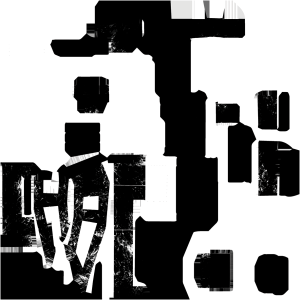
Texel Density Refinement: Learned to efficiently manage texel density across shared UV maps, optimizing texture resolution while minimizing file size and memory usage.
Game Asset Optimization: Enhanced my ability to create high-quality, game-ready assets with balanced polygon count and texture resolution, suitable for real-time rendering.
Outcome:
The final exoskeleton model successfully captured the industrial, mechanical aesthetic inspired by Satisfactory, achieving a high level of detail and realism. This project significantly enhanced my skills in 3D modeling, texturing, color theory, and UV mapping, while also deepening my understanding of how to create visually compelling and performance-optimized assets for interactive media.
This experience has solidified my ability to blend artistic vision with technical execution, positioning me as a versatile 3D artist capable of creating immersive and game-ready models.